
ବାୟର ଫାର୍ମରାଇଜ୍ ଆପ୍ ଇନଷ୍ଟଲ କରନ୍ତୁ!
ବିଶେଷଜ୍ଞ କୃଷି ସମାଧାନ ପାଇଁ!
ଆପ୍ ଇନଷ୍ଟଲ କରନ୍ତୁ
ବାୟର ଫାର୍ମରାଇଜ୍ ଆପ୍ ଇନଷ୍ଟଲ କରନ୍ତୁ!
ବିଶେଷଜ୍ଞ କୃଷି ସମାଧାନ ପାଇଁ!
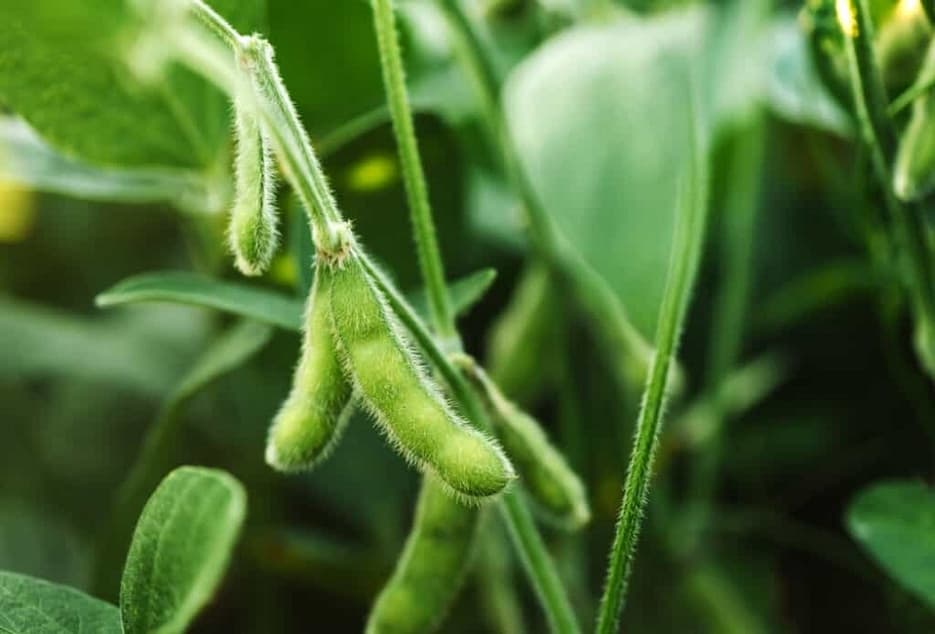
Soybeans are the world’s foremost provider of primary protein and secondarily oil. This crop is extensively cultivated in Maharashtra, Madhya Pradesh and Telangana states. Soybean plant health is a critical component of profitable soybean production. Over a hundred plant diseases caused by viruses, fungi, bacteria, and non-infectious agents are known to affect soybeans. About 67 or more virus diseases have been reported to infect soybeans worldwide, of which 27 viral diseases are considered to be a threat to soybean cultivation. Recently the viral diseases which cause economic losses in soybean are Soybean mosaic virus is found in many parts
It is the most prevalent virus and is recognized as the most serious, long-standing problem in many soybean-producing areas in India and some parts of Maharashtra. Infection by SMV usually results in severe yield losses (8 to 50%) and seed quality reduction.
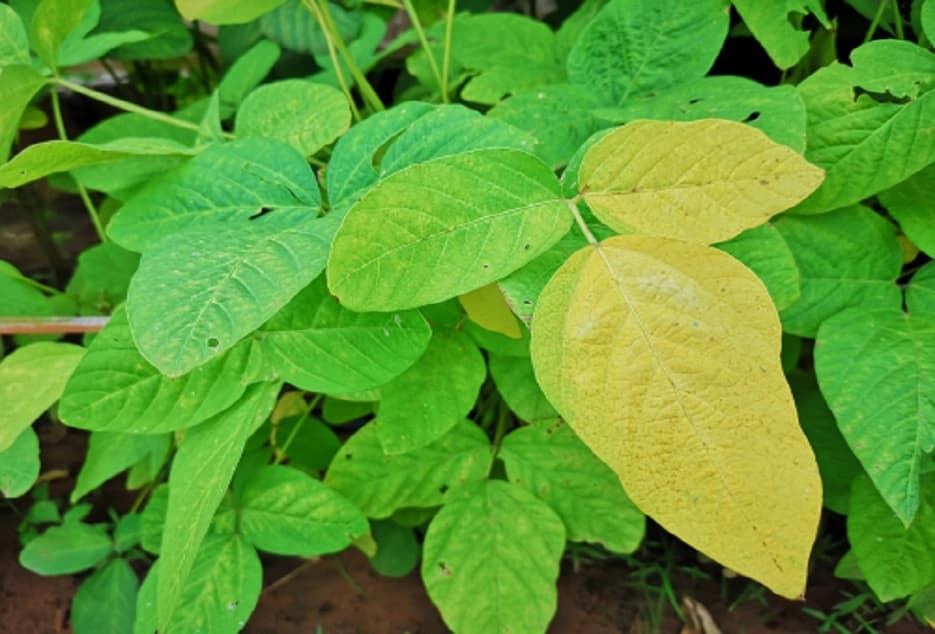
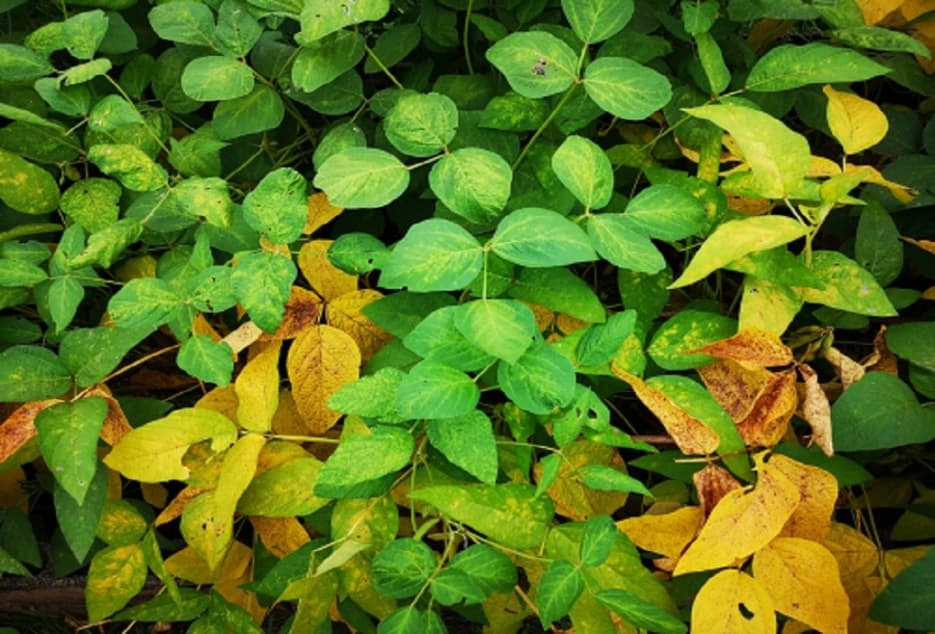
Soybean Virus Management
Soybeans are the world’s foremost provider of primary protein and secondarily oil. This crop is extensively cultivated in Maharashtra, Madhya Pradesh and Telangana states. Soybean plant health is a critical component of profitable soybean production. Over a hundred plant diseases caused by viruses, fungi, bacteria, and non-infectious agents are known to affect soybeans. About 67 or more virus diseases have been reported to infect soybeans worldwide, of which 27 viral diseases are considered to be a threat to soybean cultivation. Recently the viral diseases which cause economic losses in soybean are Soybean mosaic virus is found in many parts
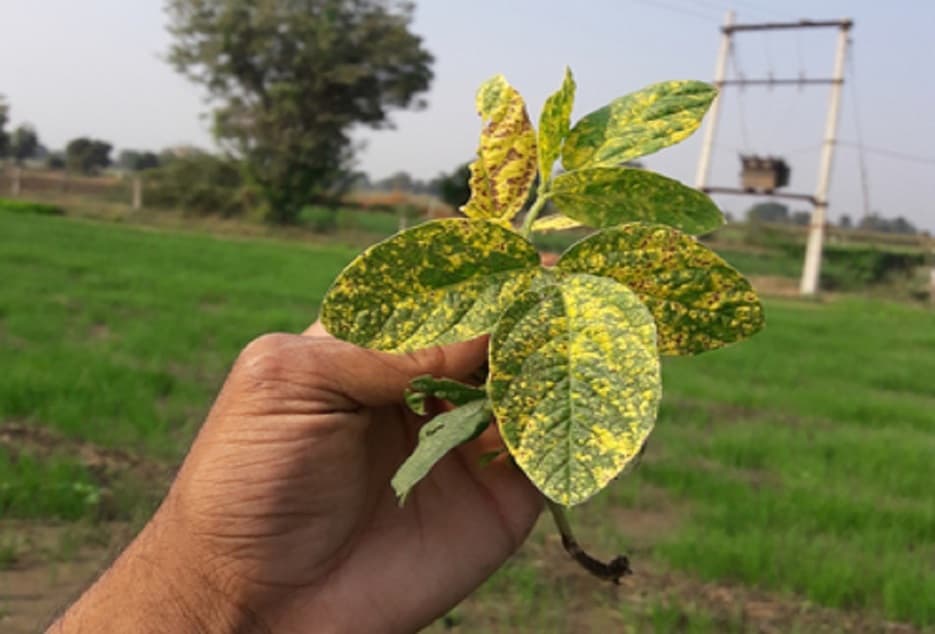
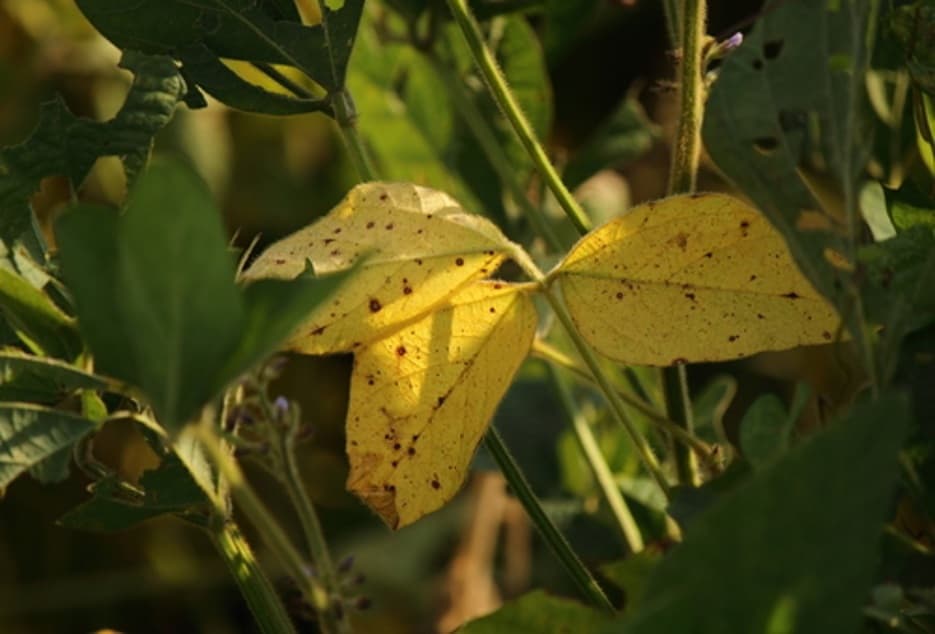
About 30% or more of the seeds from SMV-infected soybean plants carry SMV depending on the cultivar and time of infection before flowering. Weeds and other plants may also serve as a reservoir for SMV. Further spread within and among soybean fields is through the aphid species.
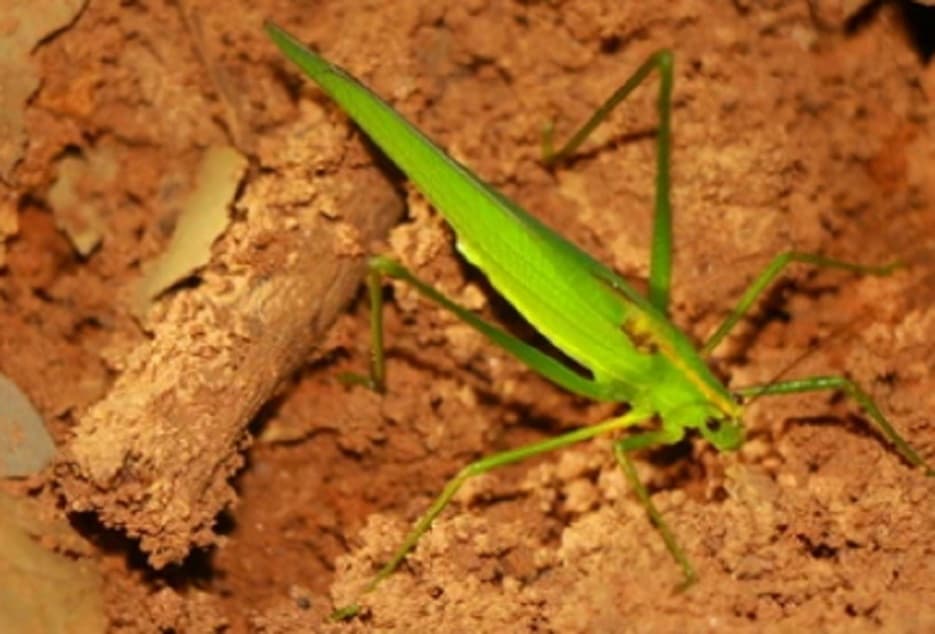
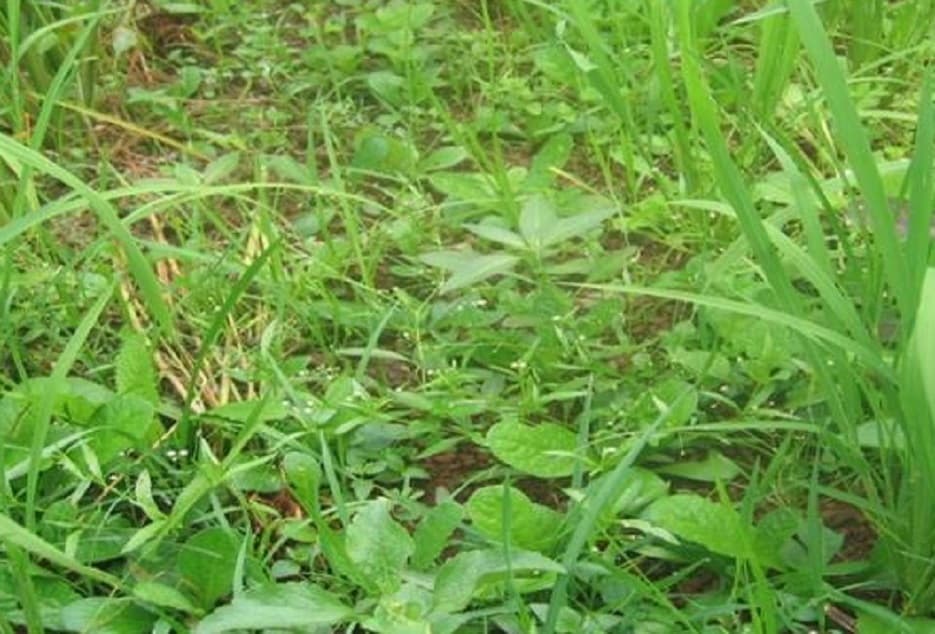
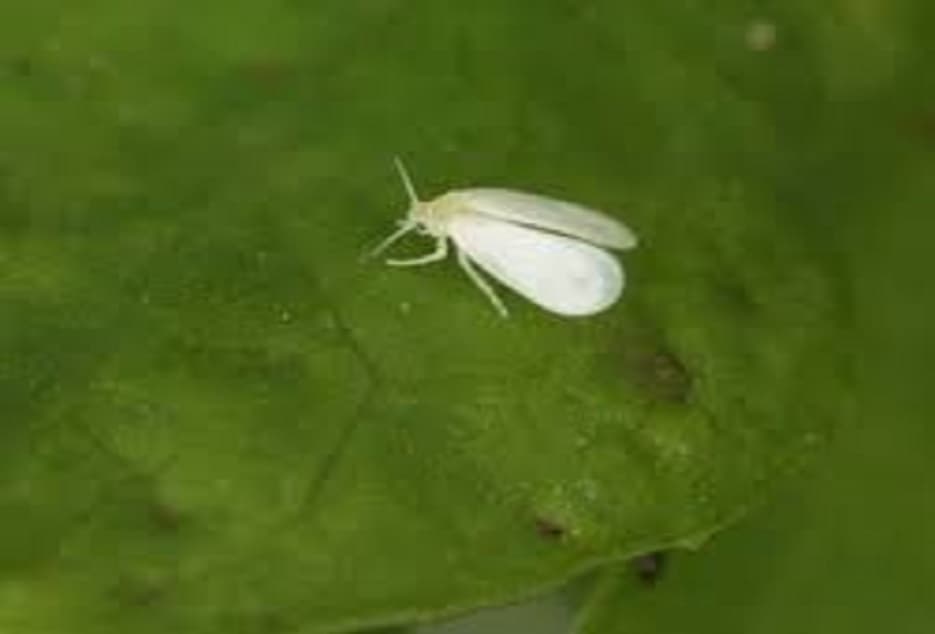
1 Regular awareness and training to the farmers as a mass campaign be conducted. 2. Monitoring and management of white flies on alternate hosts like summer moong etc. 3. Use of resistant varieties viz. PS 1042, PS 1347, PS 1368, PS 1092, PS 1225, Pusa 97 & Pusa 12 for Northern Plain zone; JS 20-29, JS 20-69, JS 97-52 & RKS 24 for Central zone; PS 1029 for Southern zone and JS 97-52 for Northeastern zone.
It is the most prevalent virus and is recognized as the most serious, long-standing problem in many soybean-producing areas in India and some parts of Maharashtra. Infection by SMV usually results in severe yield losses (8 to 50%) and seed quality reduction.
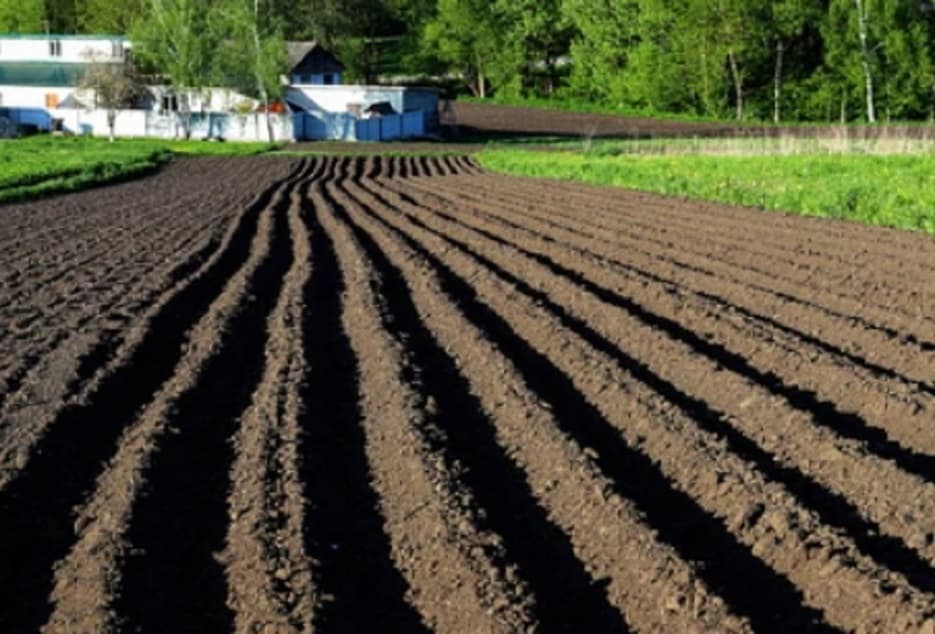
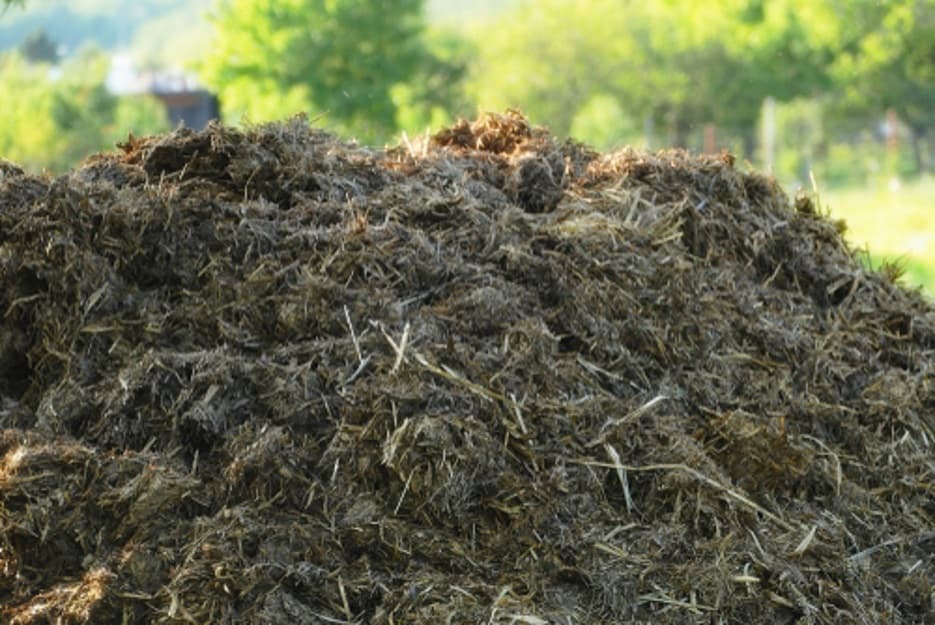
7. Apply a recommended dose of fertilizer and Farmyard manure for good crop growth. 8. Keep the field weed-free up to 45 days after sowing. 9. Removal and destruction of infested plants showing virus symptoms.
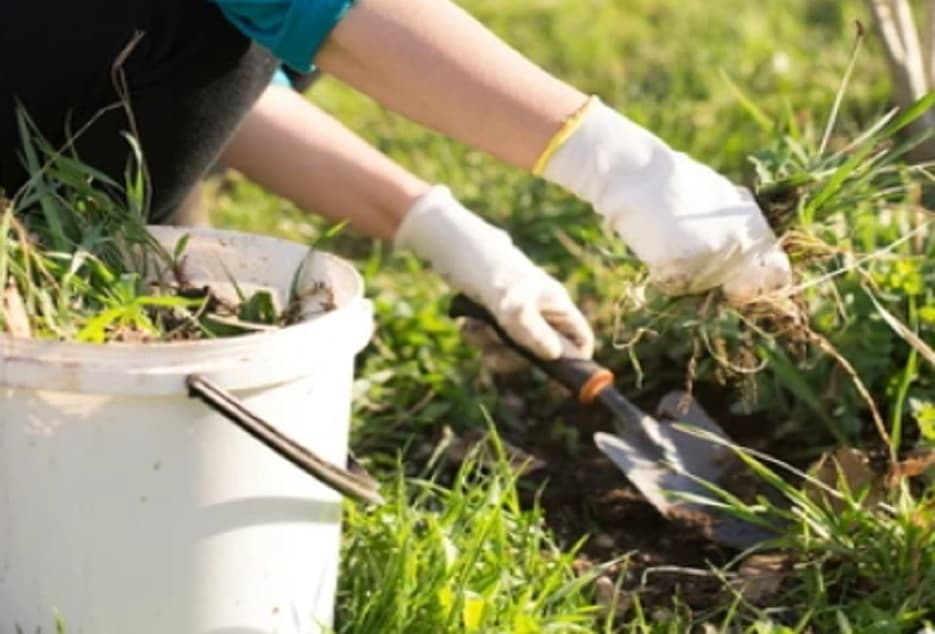
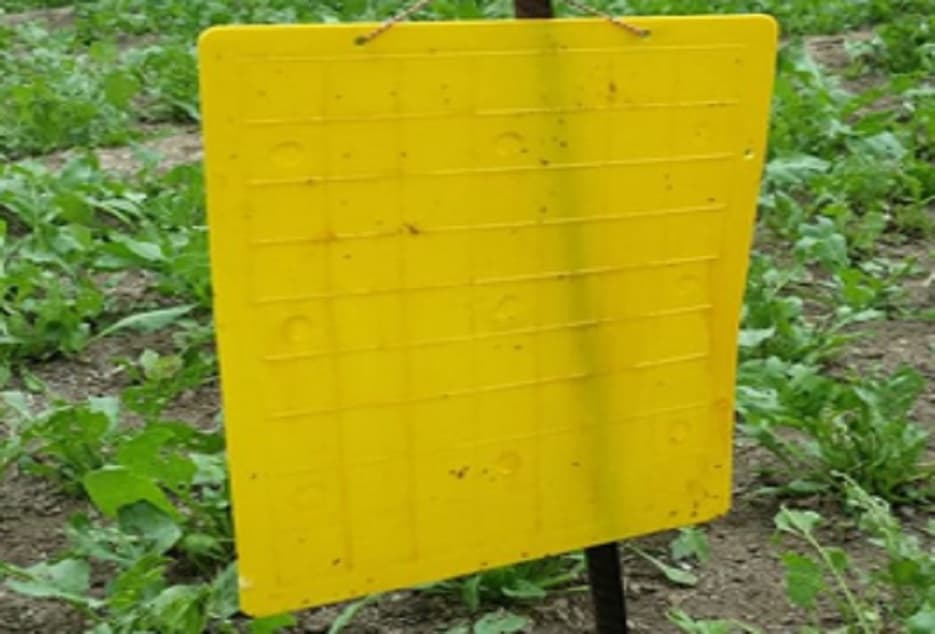
10. Spray on standing crop with recommended chemicals like Confidor to control aphids 11. It is also advised to spray the crop with Soloman (Betacyfluthrin + Imidacloprid) 140 ml/acre ). These chemicals are also useful for the control of stem fly infestation. 12. Use yellow sticky traps (20-25 traps/ha) to trap adult white flies.

Thank you for reading this article, we hope you clicked on the ♡ icon to like the article and also do share it with your friends and family now!


