
ಬಾಯರ್ ಫಾರ್ಮ್ರೈಸ್ ಆ್ಯಪ್ ಅನ್ನು ಇನ್ ಸ್ಟಾಲ್ ಮಾಡಿ!
ಪರಿಹಾರಗಳಿಗಾಗಿ ಕೃಷಿ ತಜ್ಞರು!
ಆ್ಯಪ್ ಅನ್ನು ಸ್ಥಾಪಿಸಿ
ಬಾಯರ್ ಫಾರ್ಮ್ರೈಸ್ ಆ್ಯಪ್ ಅನ್ನು ಇನ್ ಸ್ಟಾಲ್ ಮಾಡಿ!
ಪರಿಹಾರಗಳಿಗಾಗಿ ಕೃಷಿ ತಜ್ಞರು!

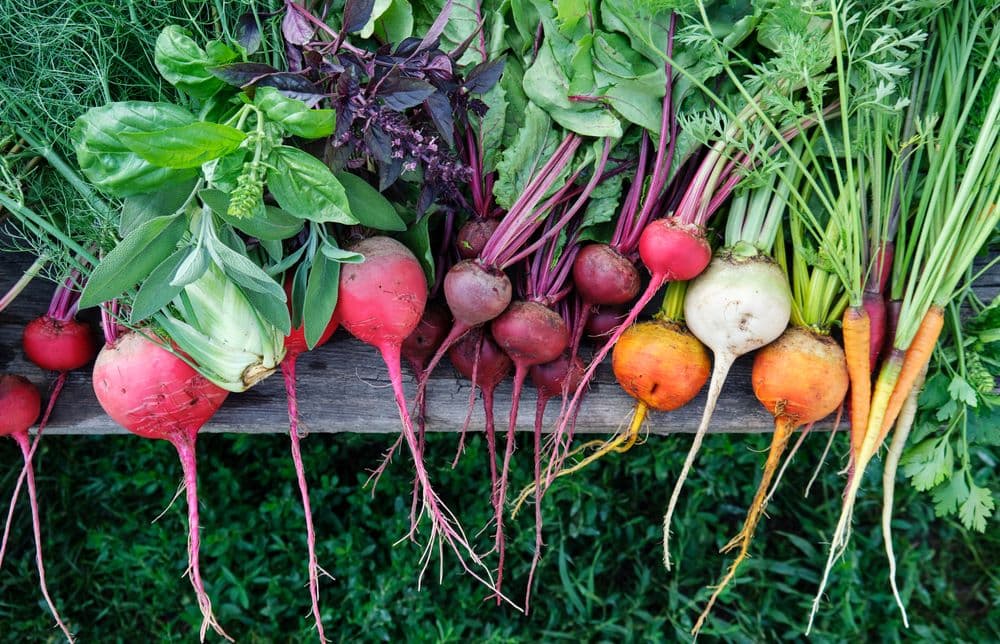
Beetroot (Beta vulgaris) is one of the important root vegetable crops of India and is mainly cultivated in Haryana, Himachal Pradesh, Maharashtra, Uttar Pradesh and West Bengal. It is used as a vegetable in cooking and can be eaten raw, roasted, steamed, or boiled and in India it is used in many culinary preparations. Beetroot can also be canned, either whole or cut up, and often are pickled, spiced, or served in a sweet-and-sour sauce. Beet root juice and dehydrated powder are also very popular.
Important varieties grown on a commercial scale are Detroit Dark Red, Crimson Globe. Early Wonder, Crosby Egyptian, Burpees Red Ball, Ruby Queen and Ooty-1

The main sowing is taken up during rabi or winter period all over India to some extent during southern India. The ideal planting time is October to November in north India and June to November in South India. Beetroot is a cool season crop that can tolerate mild frosts and light freezes. The root will have best colour, texture and quality in a cool weather condition It grows best in the winters in the plains of India. Optimum temperature for good crop growth is in the range of 18 and25oC during which quality roots are produced with good amount of sugar and intense red colour. Beets are very sensitive to low temperatures in the range of 5C– 10oC and if exposed for about two weeks, bolting occurs even if the roots have not attained marketable size. It can be grown reasonably well in mild warm weather conditions also. Excessive hot weather causes zoning – the appearance of alternating light and dark red concentric circles in the root.


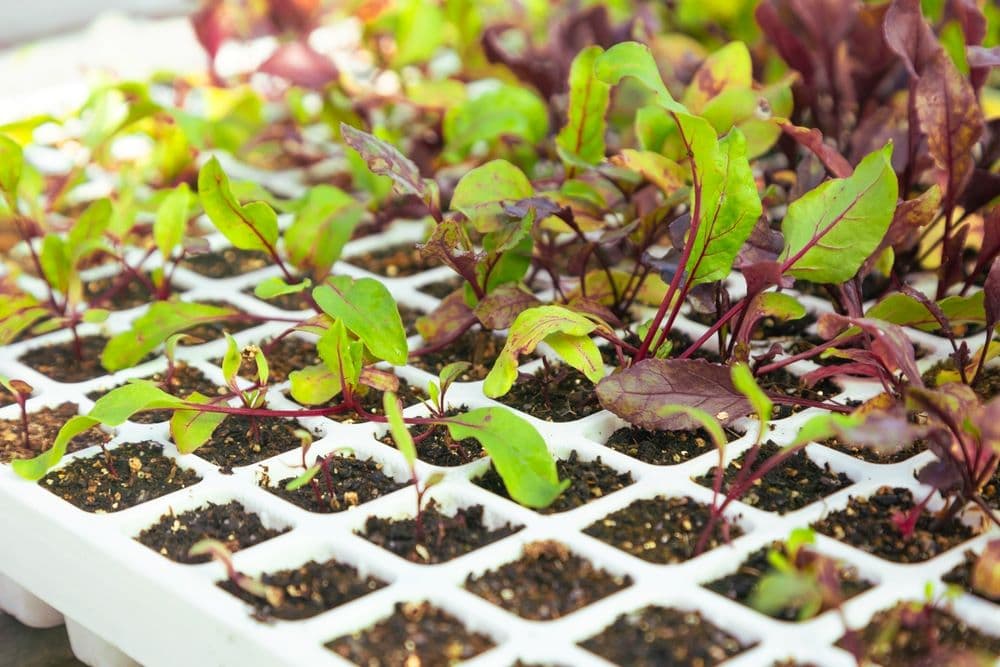
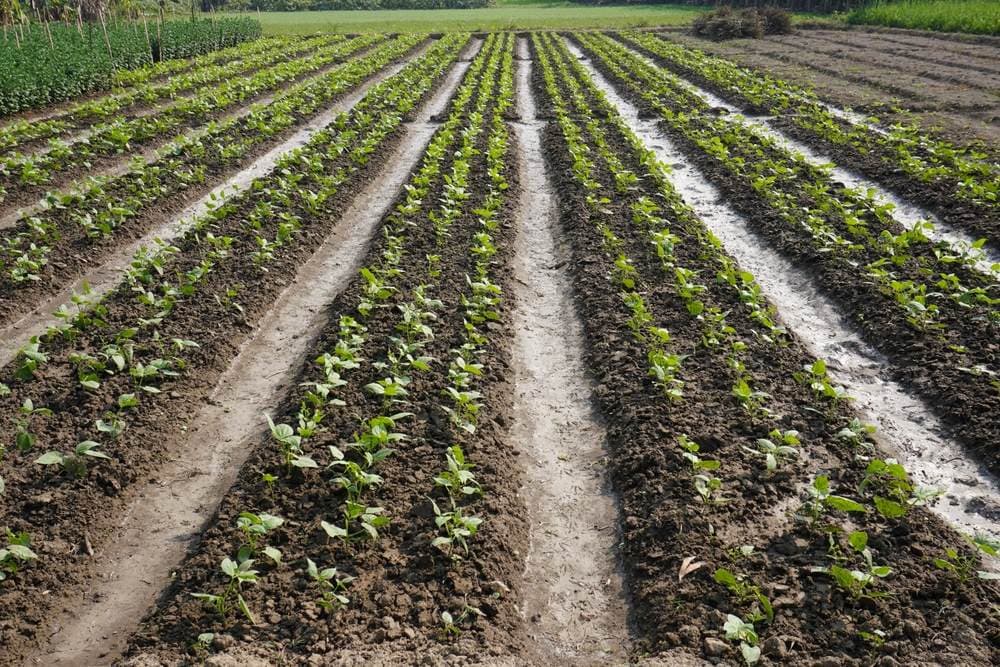
Sowing is done by dibbling of seeds mixed with sand or mud seed balls using 3-4 kg of seeds per acre at a depth of 1.5 to 2 cm in rows 45 to 50 cm apart and thinned later on to retain seedlings at a spacing of 10-15 cm. Thinning is an essential operation in beet cultivation to achieve desirable root size preferred in the market. Retain only one seedling per hill maintaining an ideal plant population of about 40 thousand plants per acre. Thinning is recommended to be done when seedling attain a height of 5 to 6cm.

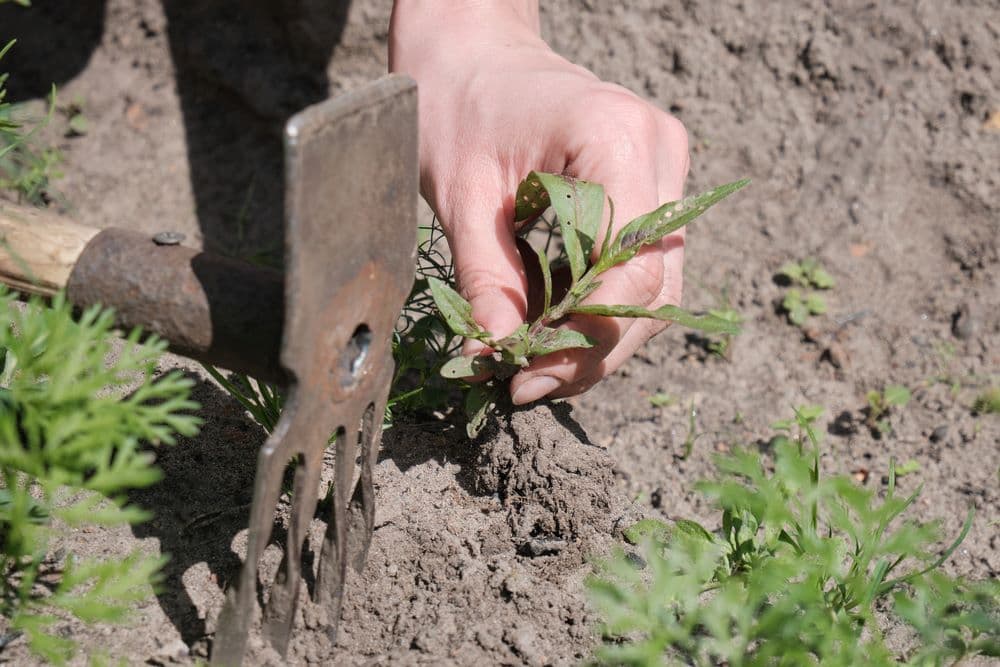
Weeding, thinning, and earthing up is the most important intercultural operation of beetroot crop cultivation. The crop should be kept free from weeds for proper growth and development of plants. Generally, 2-3 hand weeding are required to keep the crop free of weeds. Weeding and shallow hoeing are essential after 20-35 days of sowing in mid maturity group of Asiatic type, while temperate and early Asiatic types require weeding after 15-20 days of sowing. Earthing up is also necessary to get well developed roots with good shape. Weeds can be kept under control by using preemergence application of herbicides like Pendimethalin@ 0.5 kg a.i.or Alachlor 0.6 kg a.i. or Fluchloralin @ 0.4 kg a.i. or Isoproturan 2 0.4 kg a.i. per acre in 300 litres of water.

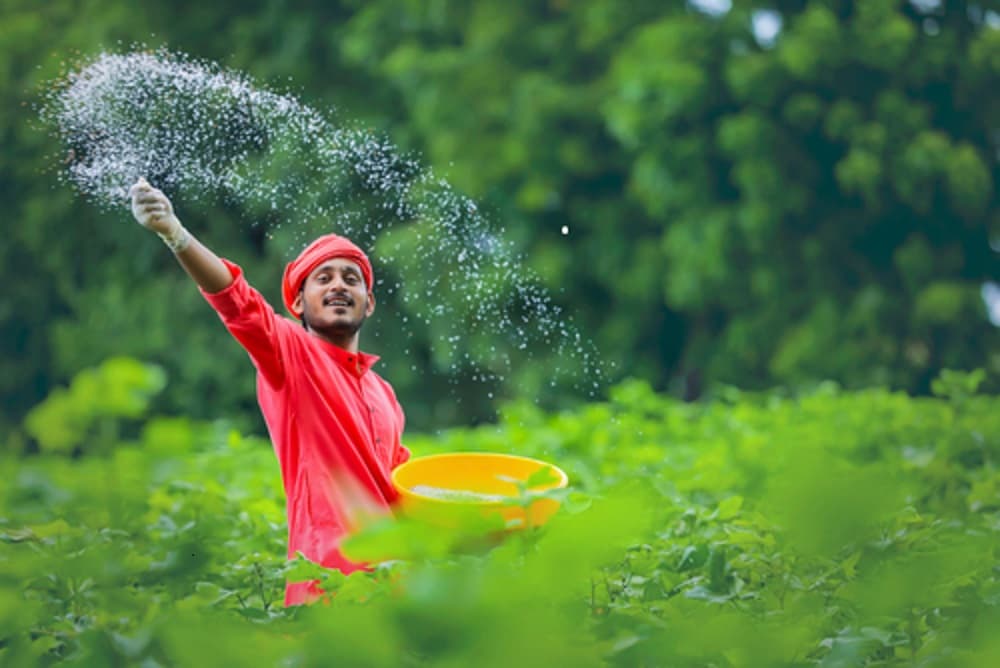
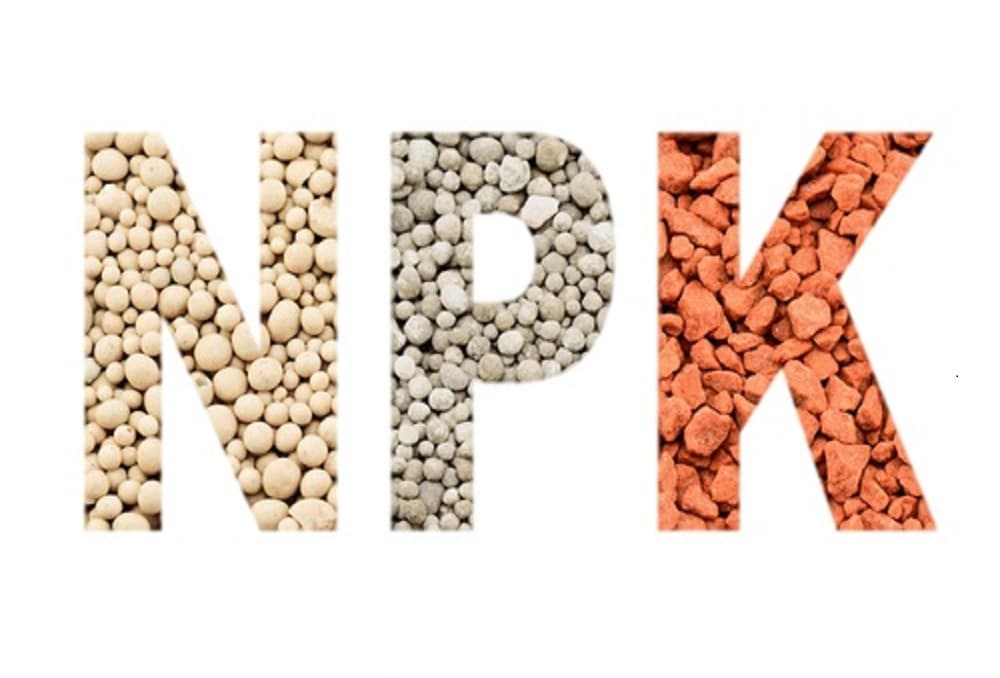
Beetroot is comparatively requiring higher dose of fertilizers and is advised to adjust the dosage based on soil test results. In order to maintain good soil structure and soil health application of organic manure @ 8 to 10 tonnes per acre of well decomposed Farmyard manure along with the recommended dose of chemical fertilizers. Farmyard manure is applied at the time of final poughing. The recommended fertilizer dose is 30 kg nitrogen, 40 kg phosphorus and 25 kg potassium per acre. Internal black spot, a physiological disorder is associated with boron deficiency and also plants remain stunted or dwarf. To overcome this problem, it is recommended to apply borax @ 4 to 6 kg per acre. If any micro nutrient deficiencies are noticed take up foliar sprays of that particular nutrient to correct it immediately. At the time sowing half of the recommended nitrogen and full dose of recommended phosphorus and potash are applied, and the remaining half of recommended nitrogen is applied after 4 weeks of sowing as a top dressing at a distance of 7.5 to 10 cm distance from the plants. If drip system of irrigation is adopted, it is advised to give fertilizers through fertigation using water soluble fertilizers which also helps in increasing the nutrient use efficiency coupled with higher yields of good quality beets.
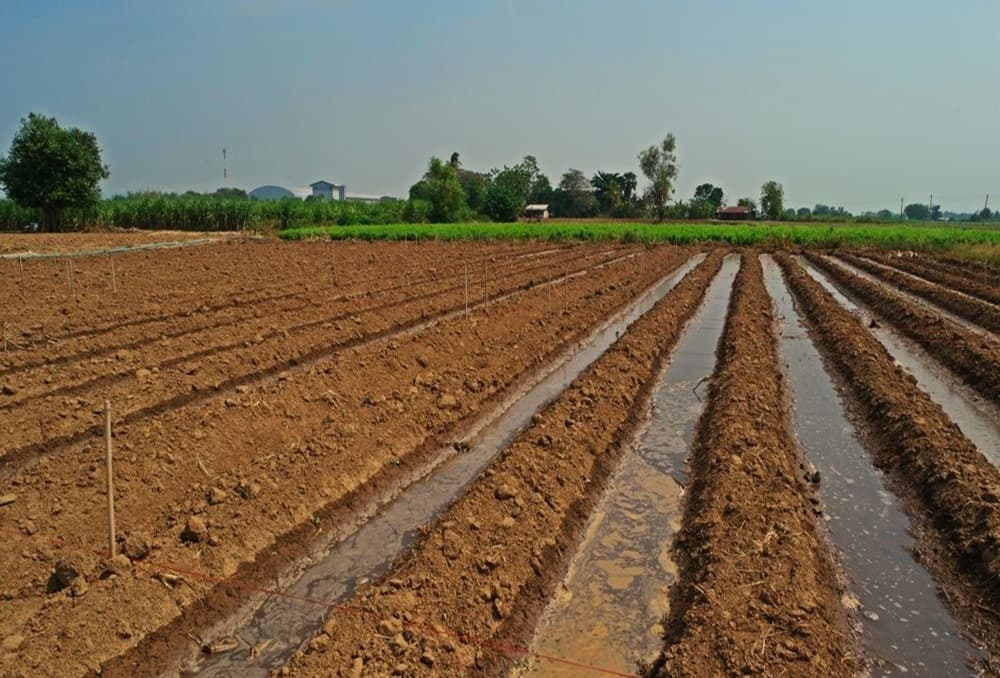
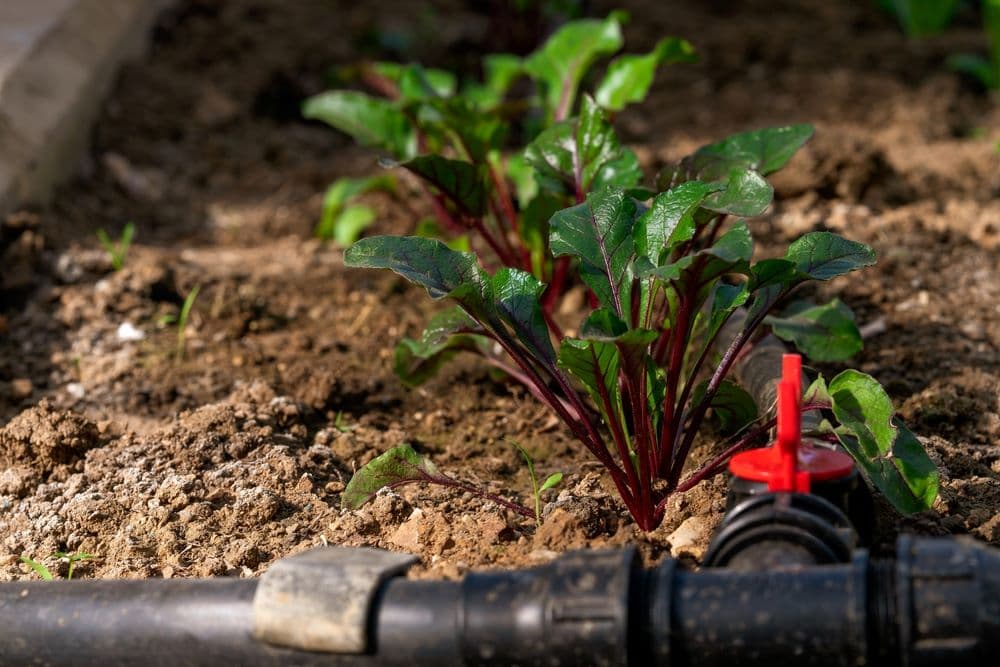
Good water management is important in beetroot farming to ensure better crop growth and yield. After sowing a light irrigation for getting good germination is very essential and also one immediately after top dressing of nitrogen fertilizer. In general, the crop is irrigated at an interval of about 4 to 6 days during winter and 10 to 12 days interval during summer period. It requires about 20 to 30mm of water per week depending upon the weather condition and soil type. It is however important to keep in mind that regular irrigation is essential during root enlargement stage in order to prevent cracking and hardening of root. Drip irrigation system may also be used in beet root cultivation which helps in maintenance of uniform soil.
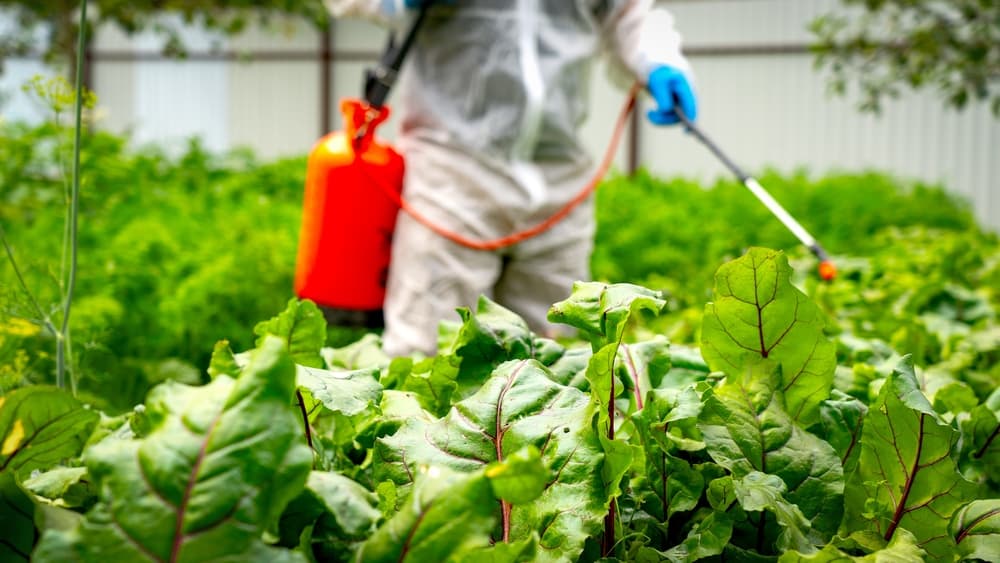
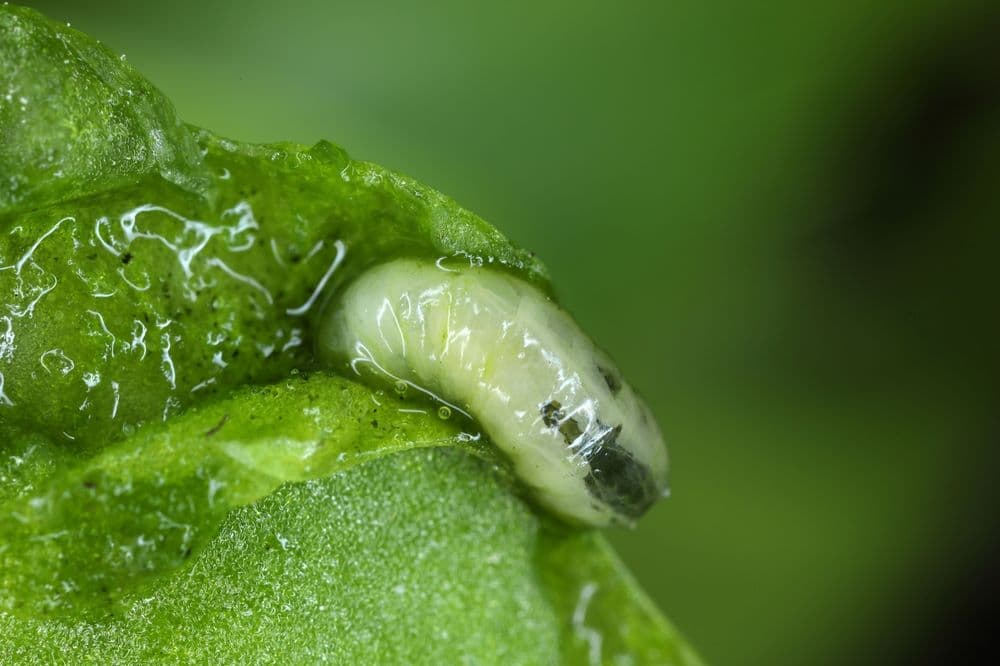
Aphids, leaf miner, flea beetle, leaf eating caterpillars, cut worms and webbers are the major pests which cause high yield losses. Take appropriate prophylactic sprays of recommended insecticides well in advance to prevent any residue problems in the harvested produce. Economically important diseases are Cercospora leaf spot, downy mildew, powdery mildew, virus yellow, Rhizoctonia root rot or damping-off and rust. To manage these diseases, take pesticide sprays as per the recommendations, of state or central research institutes and development organizations at appropriate time to reduce yield loss.
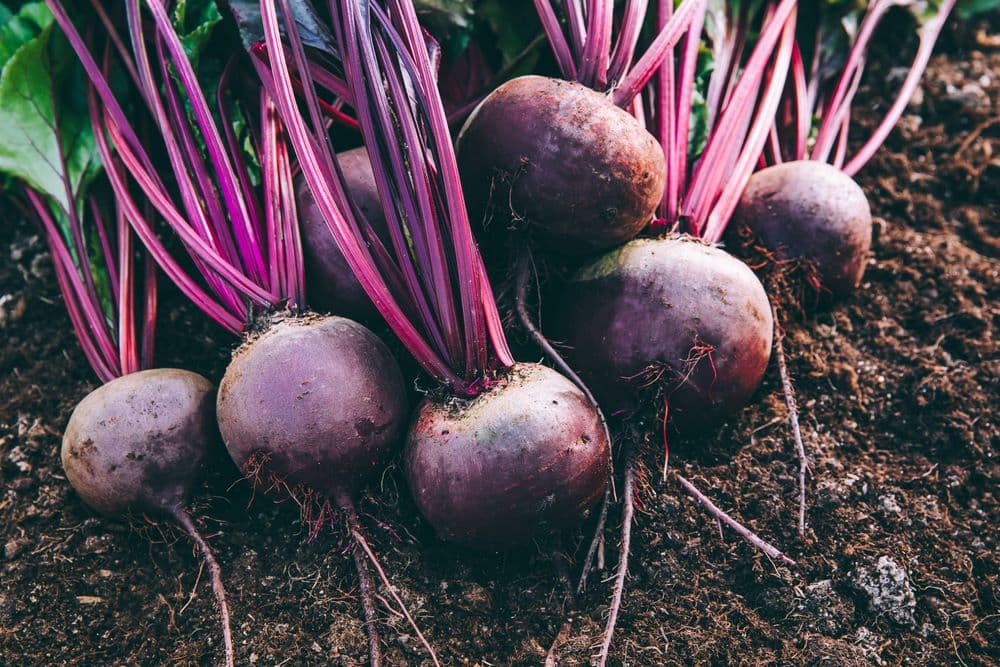
The marketable maturity is just depending on the size ranging from 3-5 cm diameter. Harvesting is usually done about 80 to 9 days after sowing by pulling out the plants along with root tuber. Then top is removed for marketing the roots. Yield varies from 12 -15 tonnes per acre with good agronomic practices.

Thank you for reading this article, we hope you clicked on the 🖒 icon to like the article and also do share it with your friends and family now!


